
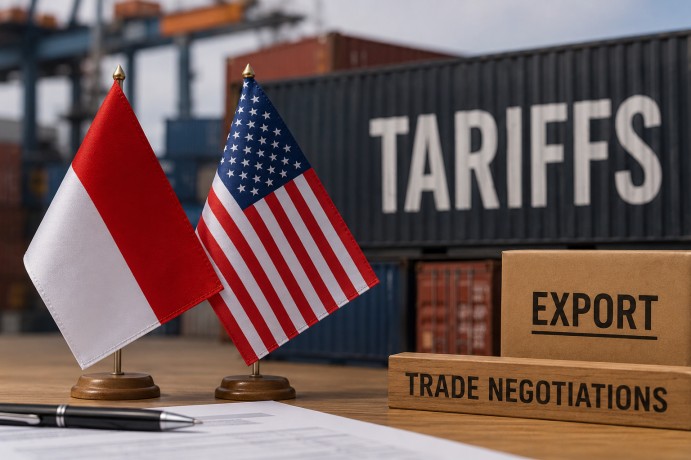
Indonesia is actively engaging with U.S. trade officials to ensure that tariff exemptions previously agreed upon are upheld, following the implementation of a new 10% tariff by the United States. This tariff, introduced due to concerns over forced labor enforcement, impacts several countries, including Indonesia. The Indonesian government is hopeful that its crucial exports, such as crude palm oil, cocoa, coffee, and natural rubber, will maintain their duty-free status under existing trade agreements.
The recent U.S. tariff policy includes preferential treatment for specific Indonesian textile exports that incorporate U.S. cotton and other American materials. As Indonesia seeks to protect its export interests, it is also awaiting the results of a separate American investigation into structural excess capacity, which could lead to additional trade actions. Indonesian officials are committed to ongoing negotiations aimed at securing competitive tariff rates for their products.
Bilateral trade between Indonesia and the United States has been robust, with reported figures reaching $18.4 billion in the first five months of 2026. During this period, Indonesia enjoyed a trade surplus of approximately $7 billion. The continuation of favorable trade conditions is crucial for Indonesia’s economic interests, and the government is keen to maintain strong ties with its significant trade partner.
In light of these developments, Indonesian officials emphasize the importance of continuous dialogue with U.S. authorities to navigate the evolving trade landscape. By advocating for the preservation of advantageous terms and exemptions, Indonesia aims to sustain its competitive edge in the global market while fostering a mutually beneficial trade relationship with the United States.