
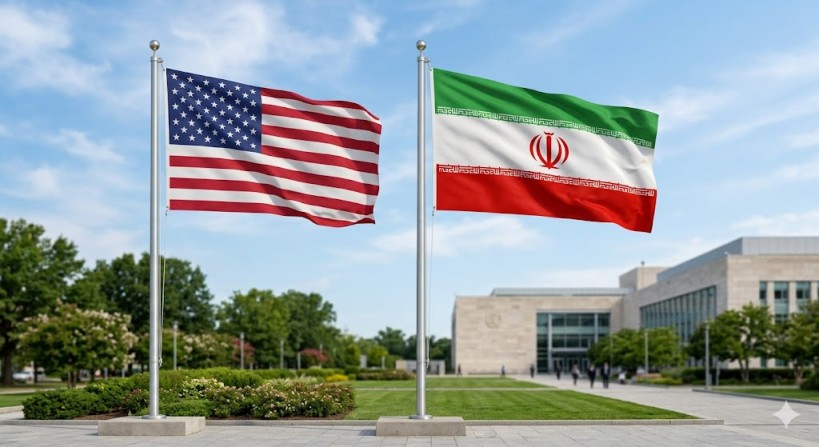
Efforts to de-escalate tensions between the United States and Iran have made limited headway this week, as attempts to prolong a ceasefire agreement in the Middle East struggle to gain momentum. Despite continuous diplomatic engagements, significant progress remains elusive.
President Donald Trump expressed that talks with Iran are nearing their conclusion. However, Iranian Foreign Minister Abbas Araghchi reported that substantial advancements remain absent, indicating that communications primarily occur through mediators. A major sticking point in the negotiations is Iran’s insistence on establishing a ceasefire in Lebanon before considering a broader accord with the United States. This potential agreement seeks to not only extend the existing truce but also ensure the reopening of the geopolitically crucial Strait of Hormuz.
Amidst these diplomatic endeavors, Lebanon continues to experience heightened tensions, with ongoing hostilities between Israel and the Iran-supported Hezbollah. The group has dismissed a ceasefire proposal backed by the US, while exchanges of fire with Israeli forces persist in southern Lebanon. This volatile situation underscores the complexities facing negotiators as they attempt to stabilize the region.
Global energy markets have felt the ripple effects of these uncertainties, as investors remain vigilant over developments near the Strait of Hormuz. This vital channel for international oil transport faces potential disruptions, which could significantly impact global energy supplies and prices should tensions escalate further.
As regional and international actors remain engaged in diplomatic discussions, the focus remains on preventing an escalation of conflict and achieving a comprehensive deal that could bring stability to the situation. The stakes are high, and the coming days will be critical in determining whether a peaceful resolution can be reached.