
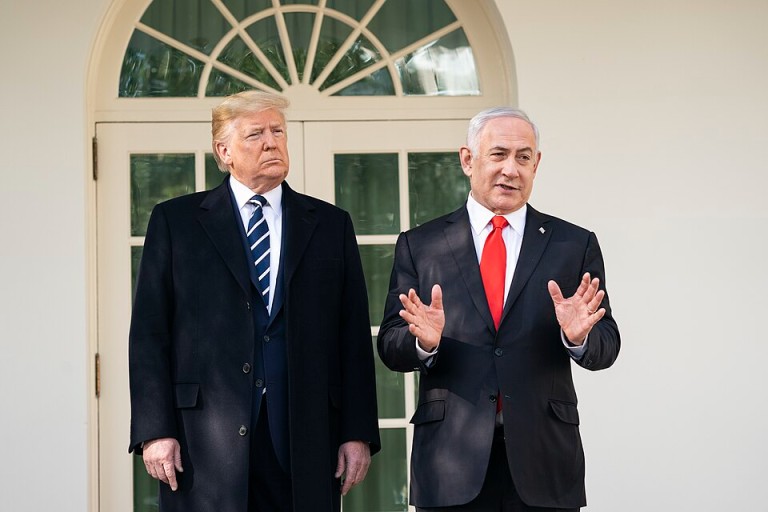
In a significant development concerning the ongoing conflict in West Asia, US President Donald Trump has openly criticized Israeli Prime Minister Benjamin Netanyahu as tensions continue to rise amid US-Iran peace negotiations. The United States and Iran are reportedly nearing the finalization of a peace agreement intended to bring an end to over three months of hostilities in the region. However, Trump’s remarks have highlighted the complexities involved in achieving this goal, particularly with Israel’s ongoing military activities in Lebanon.
Trump expressed his displeasure with Netanyahu, labeling him “a very difficult guy,” and pointed to Israel’s military strikes on Beirut as a factor that delayed the announcement of the US-Iran agreement. According to Trump, these military operations have added strain to the delicate negotiations aimed at securing a ceasefire and a broader peace framework with Iran. Despite these challenges, Trump underscored the importance of maintaining robust American support for Israel, acknowledging the persistent regional security threats.
The conflict, which initially involved Israel and Iran, has since widened to include Lebanon following Hezbollah’s entry into the fray in support of Iran. This escalation has resulted in months of violent clashes between Israeli forces and Hezbollah, leading to widespread displacement of civilians and raising alarms about potential regional destabilization. As the peace talks progress, uncertainty looms over Lebanon’s role in the agreement, with mediators suggesting that Lebanon-related issues might be addressed in future discussions. Nevertheless, Israel has maintained its stance on retaining the right to take independent security measures.
The tentative agreement between the United States and Iran is set to include the cessation of military operations, the reopening of the Strait of Hormuz, and the removal of restrictions on maritime traffic in the area. This agreement is anticipated to be officially signed in Switzerland later this week. Following the signing, both countries will engage in a 60-day negotiation period to address unresolved matters, including Iran’s nuclear program and broader regional security issues.
The potential deal is being closely watched by global markets, as reopening the Strait of Hormuz could alleviate disruptions in energy supplies and stabilize international oil prices, which have been under pressure due to the ongoing conflict. As the world waits for the formal signing and subsequent negotiations, the outcome of these talks holds significant implications for the geopolitical landscape and economic stability in the region.