
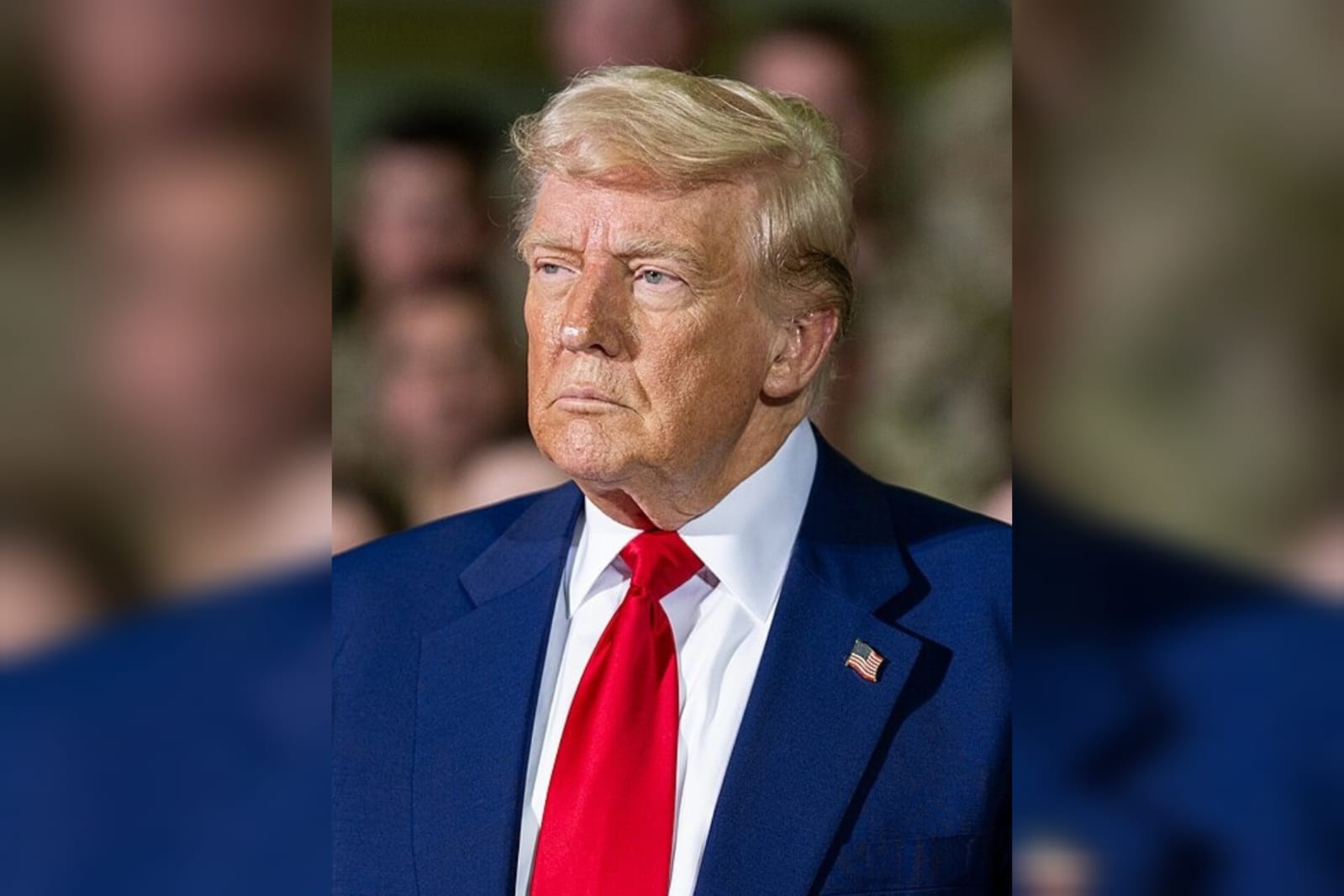
In a move aimed at reshaping regional dynamics, President Donald Trump has announced that the recent U.S.–Iran agreement has significantly mitigated the security threats faced by Israel. During a discussion with Israeli Prime Minister Benjamin Netanyahu, Trump emphasized that the deal has effectively neutralized the possibility of a nuclear attack from Iran, offering reassurances about Israel’s primary security concern. Following the signing of the 14-point memorandum, Trump highlighted to reporters that the agreement acts as a critical security measure for Israel, asserting that it eliminates the risk of a nuclear strike, which he described as the most crucial outcome for the nation.
Trump engaged in direct conversations with Netanyahu before finalizing the agreement, positioning it as a strategic move to bolster Israel’s future security. He expressed confidence that, despite ongoing regional tensions, Israel would perceive the deal as a beneficial development. The agreement outlines a 60-day window for negotiations focused on Iran’s nuclear activities, includes steps to reopen significant trade routes, and proposes easing certain sanctions. While it aims to address regional stability, it leaves unresolved issues like Israel’s military actions in Lebanon, which continue to be politically sensitive topics.
The U.S. administration has touted the agreement as a substantial achievement for security; however, it has sparked divided reactions in Israel. Critics argue that reducing pressure on Iran could inadvertently enhance its influence in the region, whereas proponents of diplomatic engagement suggest the potential for decreased conflict risks. The differing perspectives underscore the complexities of the geopolitical landscape and the challenges of balancing security with diplomatic efforts.
Within Israel, the agreement has also fueled internal political debates, with some leaders facing criticism over their approach to regional policies. Political opponents have accused the government of strategic errors in handling recent developments. As the negotiations continue, the complete implementation and enduring effects of the agreement remain uncertain, leaving room for ongoing debate and analysis of its potential impact.