
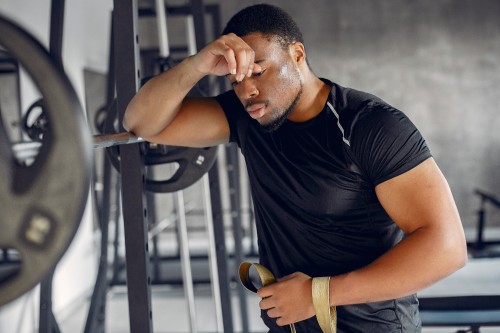
Maintaining a healthy weight often involves regular exercise, but pushing harder and working out longer doesn’t always yield the best results. Fitness specialists caution that exercising beyond the body’s capacity for recovery can hinder fat loss and have adverse effects on overall well-being. Overtraining happens when physical activity is too intense or frequent, and the body doesn’t get enough time to recuperate. This can lead to persistent stress on the body, making it difficult to burn fat, gain muscle, and sustain energy levels.
The body under constant physical strain can keep cortisol, the primary stress hormone, elevated. Over time, high cortisol levels can impede fat loss, increase fat storage around the abdomen, break down muscle tissue, lower testosterone levels, and disrupt normal thyroid functions. This prolonged stress can also delay recovery and diminish overall performance. Additionally, daily pressures like work stress, lack of sleep, and emotional challenges can compound exercise-related stress, further taxing the body’s hormonal system.
Recognizing the signs of overtraining is crucial for those engaging in regular exercise. Some common indicators include a plateau in fat loss or strength gains, poor sleep quality, persistent fatigue, low motivation, increased anxiety or irritability, reduced libido, and a higher resting heart rate or slower recovery after workouts. If these symptoms persist, it might be a sign that the body is not getting the balance it needs between exertion and recovery.
To prevent overtraining, a well-rounded fitness regimen is essential for lasting progress. Experts suggest engaging in strength training three to four times per week with appropriate intensity levels, ensuring sufficient protein intake and daily caloric consumption, and prioritizing quality sleep with a consistent schedule. Incorporating recovery activities such as walking, stretching, mobility exercises, and relaxation techniques can also help. If progress stalls despite adhering to a healthy routine, it may be wise to consult a medical professional, especially if a hormonal imbalance is suspected.
Ultimately, achieving healthy fat loss requires consistency, balanced nutrition, effective training, and adequate recovery. Allowing the body ample time to rest enables it to adapt, recover, and perform optimally over time. By understanding the importance of recovery and recognizing the signs of overtraining, individuals can better manage their fitness journeys for long-term success.