
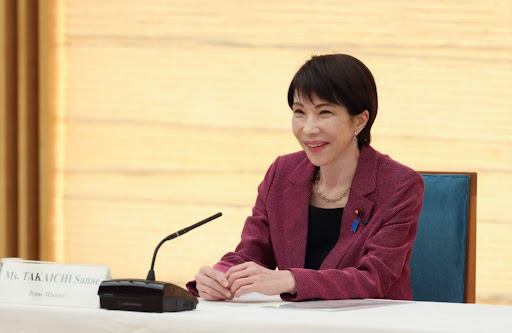
Asia’s most dramatic energy story is unfolding in Japan, where Prime Minister Sanae Takaichi has confirmed the country will begin its biggest-ever oil release from national strategic reserves this Thursday. The release totals around 80 million barrels — the equivalent of 45 days of domestic oil consumption — and will be distributed to domestic refiners. The announcement comes as the US-Israel war on Iran destabilizes oil shipping through the Strait of Hormuz.
Japan’s near-total reliance on Middle Eastern crude — over 90% of its oil imports — places it at the sharp end of any Hormuz disruption. With limited domestic energy alternatives, Japan has invested heavily in strategic reserves precisely for such an emergency. The government’s decision to deploy the largest release in its history reflects the serious nature of the current threat.
The drawdown is 1.8 times larger than the previous record set during the Fukushima response in 2011, marking a new chapter in Japan’s energy emergency history. Japan’s full reserves currently stand at approximately 470 million barrels — covering 254 days of normal domestic usage. The government previously approved a release of 15 days of private-sector oil, bringing the cumulative response to an unprecedented scale.
Consumer protections are also being put in place, with fuel subsidies capping gasoline at roughly ¥170 per litre following a record high of ¥190.8. Panic-buying fears stoked by social media have led to unfounded concerns about toilet paper supplies, but both the government and the Japan Household Paper Industry Association have firmly corrected those claims. With 97% of toilet paper manufactured domestically from recycled materials, supply is stable and unaffected by the Middle East situation.
Japan’s international posture remains non-military, with Takaichi citing the country’s postwar constitution in declining Trump’s request to send Japanese naval forces to the Strait of Hormuz. The government will continue to press for diplomatic solutions through coordination with allied and regional nations. Japan’s response — combining strategic reserve deployment, consumer protections, and active diplomacy — represents a model of measured crisis management.