
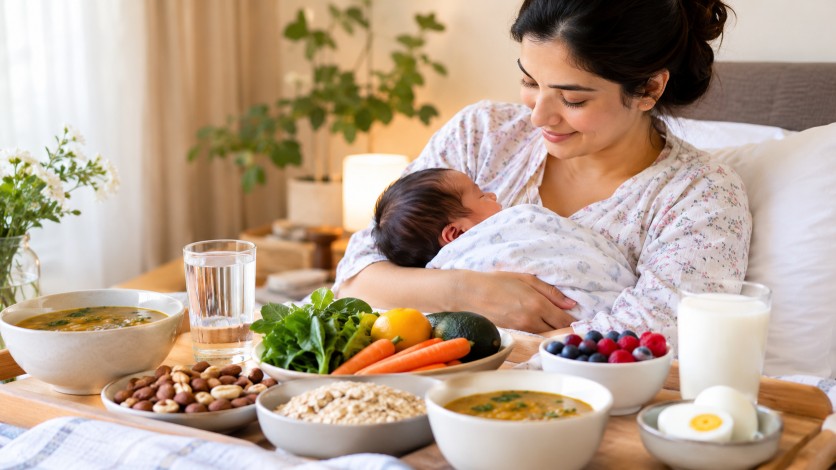
After childbirth, a mother’s body undergoes significant changes that require time, rest, and proper nourishment for recovery. While the focus often shifts to caring for the newborn, it is crucial that new mothers prioritize their own health and nutritional needs. A balanced diet plays a critical role in replenishing nutrients, supporting tissue repair, maintaining energy levels, and meeting the additional demands of breastfeeding.
Recovery from childbirth varies widely among women, influenced by factors such as the type of delivery, amount of blood loss, and any health complications. Some mothers regain their strength within weeks, while others may take several months to fully recover. This period involves healing from childbirth, adjusting to breastfeeding, and adapting to new sleep patterns. Prioritizing rest and adequate food intake over rapid weight loss is essential, and any persistent pain or fatigue should be addressed with a healthcare professional.
Proper nutrition is vital post-delivery as pregnancy and childbirth demand substantial energy and nutrient resources from the body. Blood loss during delivery can affect iron levels, and breastfeeding further increases nutritional needs. A diet low in nutritious meals and high in snacks like tea and biscuits can hinder recovery. Consuming a variety of foods rich in protein, vitamins, minerals, and fluids supports recovery and sustains energy throughout the day.
To aid postpartum recovery, certain foods are particularly beneficial. Iron-rich foods such as lentils, beans, leafy greens, eggs, and meat help produce healthy red blood cells. Protein, found in foods like chickpeas, eggs, fish, and tofu, supports tissue repair. Calcium and vitamin D are essential for bone health, with sources like milk, yoghurt, and oily fish being recommended. Incorporating a variety of fruits and vegetables ensures a supply of essential vitamins and fiber, while whole grains like oats and brown rice provide energy. Healthy fats from nuts, seeds, and fish contribute to overall health, and adequate fluid intake is crucial, especially for breastfeeding mothers.
Preparing nutritious meals with a newborn may seem challenging, but practical approaches can help. Families can assist by preparing meals in advance, ensuring nutritious snacks are available, and sharing household responsibilities. Simple options like boiled eggs, fruit, yoghurt, and roasted chickpeas can provide convenient nourishment. Each mother’s needs may vary, especially after a complicated delivery or significant blood loss, so personalized advice from healthcare professionals is beneficial.
Ultimately, the postpartum period should focus on healing rather than achieving a pre-pregnancy body shape quickly. Adequate nourishment, rest, emotional support, and appropriate medical care are vital components of recovery. By maintaining a balanced diet, staying hydrated, and seeking professional guidance when needed, new mothers can support their health while adjusting to the demands of motherhood.