
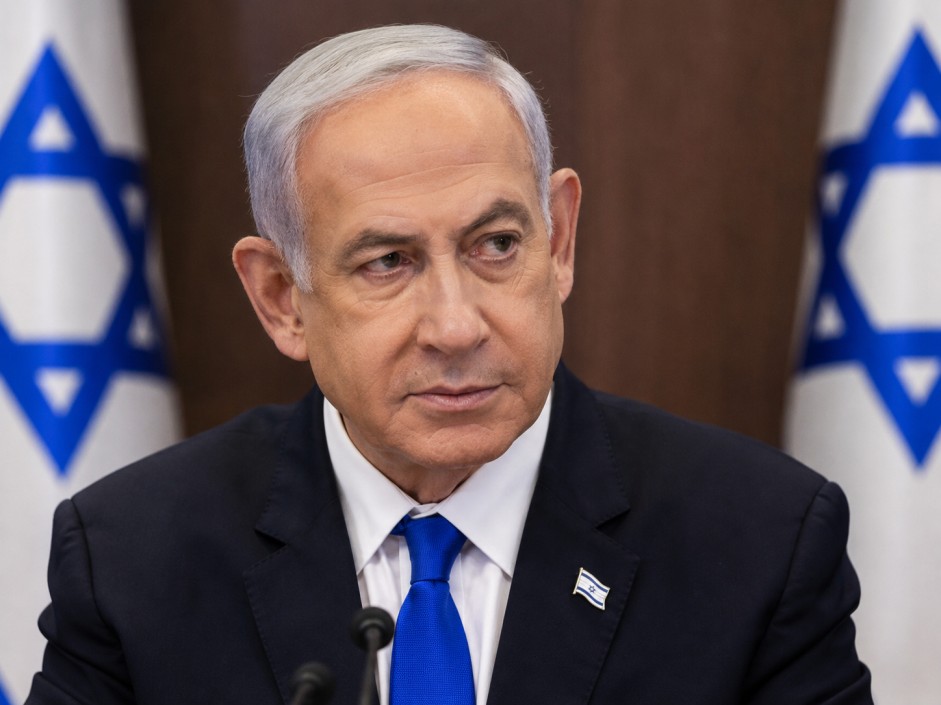
In a stern message to Iran, Israeli Prime Minister Benjamin Netanyahu cautioned that any future aggression towards Israel would be met with a much more forceful military counterattack. Netanyahu, addressing an audience in Dimona, asserted that Israel is ready to confront any scenario, emphasizing that any new Iranian assault would provoke a response far more formidable than what has been seen in previous engagements. He assured that Israel remains committed to taking strong actions to safeguard its national security.
This declaration surfaced amid escalating tensions in the Middle East, spurred by a series of recent confrontations between the United States and Iran. Iran has reportedly launched attacks on several US allies in the region, while numerous explosions have been reported across various locations within Iran itself, adding to the regional unrest.
In response to these developments, the United States has adjusted its stance regarding the Strait of Hormuz. President Donald Trump has decided against implementing a proposed transit fee, choosing instead to focus on fostering future trade and investment agreements with countries in the Gulf. This shift in policy aims to strengthen economic ties amidst the ongoing regional instability.
Simultaneously, the European Union Aviation Safety Agency (EASA) has issued updated advisories urging airlines to steer clear of the airspace over several Gulf nations due to increased security risks. These advisories come as diplomatic efforts persist, with regional mediators striving to defuse the tensions and revive diplomatic negotiations.