
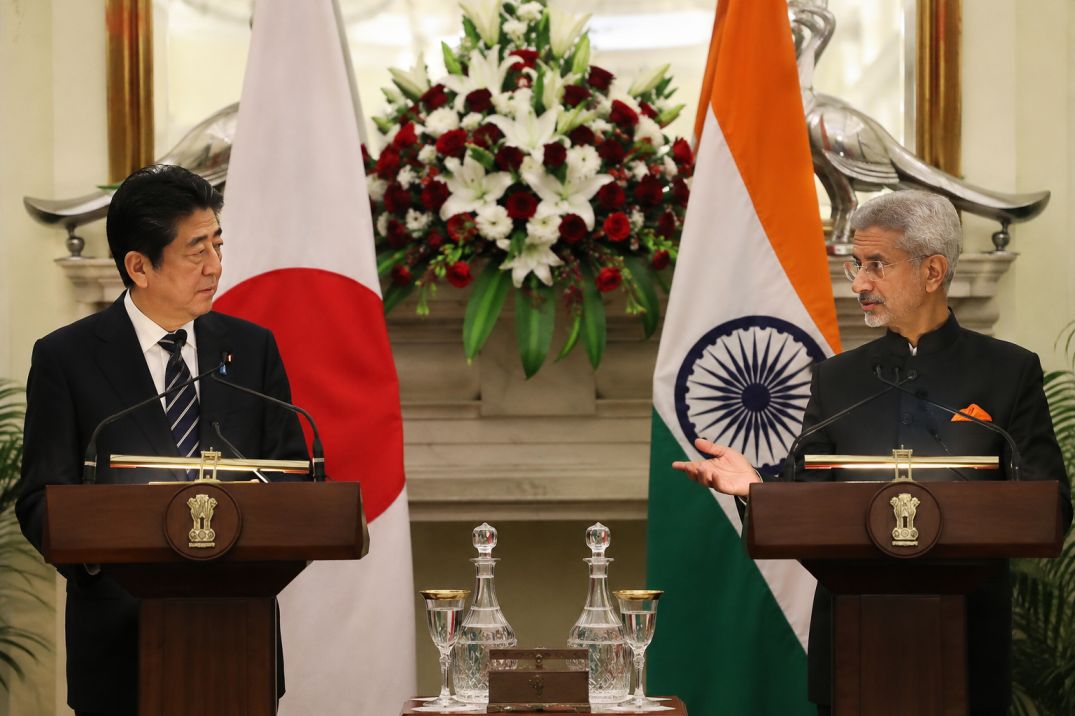
At the 16th India-Japan Annual Summit held in New Delhi, Prime Minister Narendra Modi and his Japanese counterpart, Sanae Takaichi, issued a strong condemnation of terrorism, particularly targeting Pakistan-based militant groups like Lashkar-e-Taiba (LeT) and Jaish-e-Mohammad (JeM). Both leaders emphasized the need for robust international measures to combat terrorism and stressed the importance of holding perpetrators accountable. Their joint statement also highlighted the need to address cross-border terrorism emanating from Pakistan and urged for coordinated global action against terrorist organizations recognized by the United Nations, including Al Qaeda, ISIS/Daesh, and their affiliates.
The leaders referenced several recent incidents to underline their concerns, including the terrorist attack in Pahalgam last year. They also noted the United Nations Security Council Monitoring Team Report from July 29, 2025, which mentioned The Resistance Front (TRF). Additionally, they condemned the Red Fort blast in New Delhi in November 2025, calling for the swift prosecution of those involved in planning and executing these acts of terror. The joint statement underscored the necessity of sustained international collaboration to counter violent extremism and enhance global security against terrorist networks.
Beyond the focus on security, Modi and Takaichi also concentrated on strengthening the strategic and economic ties between India and Japan. Takaichi’s visit to India, her first as Japan’s prime minister, was marked by a series of new initiatives aimed at enhancing cooperation across various sectors. Modi welcomed Takaichi warmly, describing her as a visionary leader and affectionately calling her his “younger sister.” He reflected on the deep historical and cultural connections between India and Japan, noting particularly the shared Buddhist heritage, with Takaichi hailing from Nara Prefecture, a region closely linked to these traditions.
Takaichi reciprocated Modi’s sentiments, acknowledging his remarks and expressing her commitment to deepening the bilateral relationship “as brother and sister.” Her visit, conducted from July 1 to 3 at Modi’s invitation, resulted in the reinforcement of the longstanding partnership between the two nations. The discussions during the summit emphasized their shared focus on regional stability, security, and sustainable development, aiming to solidify a partnership that continues to grow across strategic, economic, and cultural dimensions.