
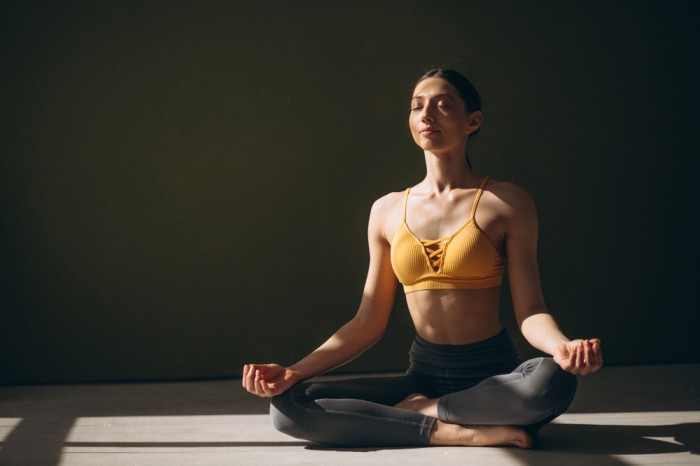
Emotions can be unpredictable, often swinging from joy to stress or from anxiety to frustration. Navigating these emotional highs and lows is essential for mental well-being, and yoga offers a pathway to achieve this balance. By integrating gentle physical movements with mindful breathing, yoga not only encourages relaxation but also enhances body awareness, aiding in the management of emotional fluctuations. Various poses cater to specific emotional states, helping to foster a sense of calm and equilibrium.
To counter feelings of sadness, the Cobra Pose, or Bhujangasana, is recommended. This gentle backbend opens the chest, promoting a sensation of lightness and releasing physical tension through slow, deliberate breathing. For cultivating gratitude, the Easy Pose with Heart Focus, known as Sukhasana, invites practitioners to sit comfortably, slow down, and concentrate on the present. Mindful breathing in this posture encourages self-reflection and appreciation for the moment.
When anxiety strikes, the Butterfly Pose, or Baddha Konasana, serves as a grounding practice. By bringing attention back to the body and breath, this calming posture helps stabilize overwhelming thoughts. To build confidence, Warrior II, or Virabhadrasana II, is ideal. This strong, steady pose fosters focus and balance, instilling a sense of strength and self-assurance.
For stress relief, Child’s Pose, or Balasana, offers a sanctuary of relaxation. This posture encourages deep breathing, allowing the body and mind to unwind, releasing tension and promoting comfort. In moments of feeling overwhelmed, the Legs Up the Wall pose, or Viparita Karani, provides restorative relaxation with minimal effort. Spending quiet time in this position can alleviate mental fatigue and induce calmness.
Finally, when anger surfaces, the Seated Forward Fold, or Paschimottanasana, can help facilitate a reflective state. This pose encourages relaxation and provides a peaceful pause during intense emotional experiences. While yoga might not eliminate difficult emotions entirely, it offers a constructive way to acknowledge and process feelings, relax the body, and enhance emotional awareness.