
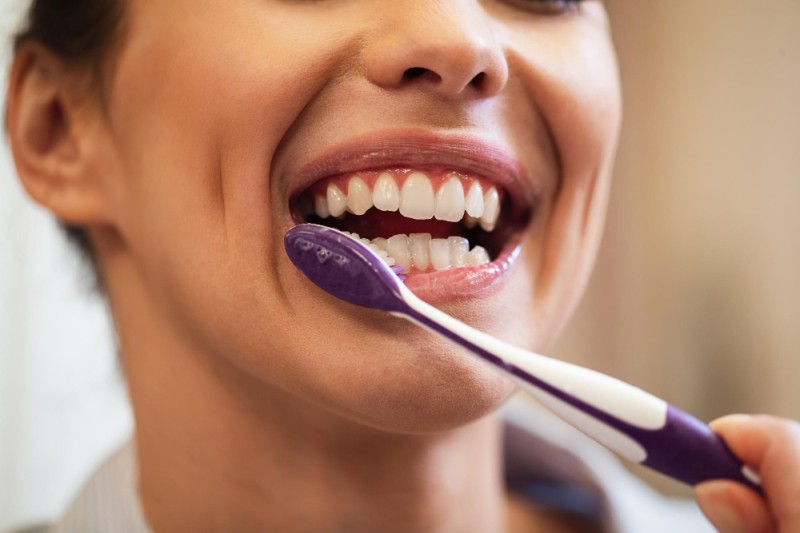
Oral hygiene is more than just about maintaining fresh breath; it involves a balanced approach to mouth care that some experts suggest is critical. The use of antibacterial mouthwash has become a common practice for many, but there is growing concern that its overuse might disrupt the natural balance of bacteria in the mouth. A healthy oral cavity hosts a variety of bacteria, each playing a crucial role in maintaining overall oral health. Rather than attempting to eliminate all bacteria, nutrition experts advise targeting the specific areas where odor-causing bacteria tend to accumulate.
There is a reconsideration among some experts regarding the everyday use of antibacterial mouthwash. While these products are effective at reducing bacteria, they may not discriminate between harmful and beneficial microorganisms. This indiscriminate action is akin to disturbing the natural microbiome, which has several essential functions in the body. For instance, some oral bacteria contribute to the production of nitric oxide, a compound vital for blood vessel function and overall health. Preserving a balanced oral microbial environment could therefore be integral to sustaining long-term health benefits.
An alternative approach that is gaining traction is tongue scraping, which is often recommended to combat bad breath naturally. The tongue can harbor a biofilm layer that may lead to unpleasant odors. By carefully cleaning the tongue’s surface, individuals can remove this biofilm without eradicating all mouth bacteria. This method emphasizes maintaining cleanliness while supporting the natural balance of the oral ecosystem.
Achieving fresh breath involves more than just the reliance on potent mouthwash solutions. Essential components of a good oral hygiene routine include regular brushing and flossing, keeping hydrated, tongue cleaning, and attending regular dental checkups. Such a comprehensive approach not only helps in reducing bad breath but also fosters a healthier environment within the mouth.